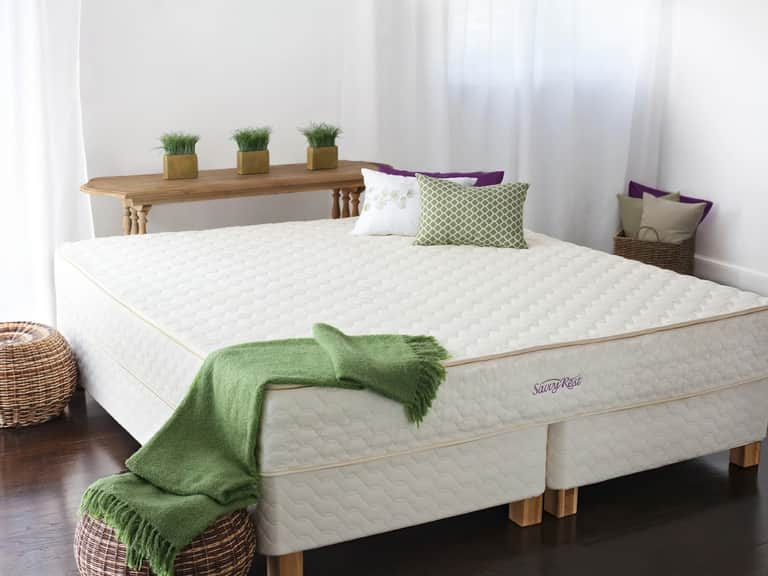
Marie, 19th-Century Bedstead to Modern Comfort
A reflection on how early bedframe architecture influenced rest and posture, translated into modern low-profile platforms that preserve space and promote ease of movement.
An editorial exploration of bed types, ergonomics, room layout, and sleep science, written in a National Geographic–style voice. This guide blends architectural thinking with bedside practicality, helping readers navigate platform, storage, canopy, and adjustable beds while aligning mattress choice with posture, lighting, and spatial constraints.
From the grounded silhouette of a platform bed to the modularity of an adjustable frame, bed styles shape not only sleep posture but daily navigation through a room. The bed is a central anchor in the bedroom ecosystem, dictating proportions, circulation, and even the quality of light that filters across waking hours. In this practical guide, we examine four core bed types and the ergonomic implications of each, drawing on timeless design principles and current sleep science insights.
Platform beds present a clean, low-posture aesthetic that can enhance a sense of space, especially in smaller rooms. By mounting the sleeping surface closer to eye level with the floor, platforms encourage a more neutral spine alignment when paired with a supportive mattress. For taller bedrooms or rooms with high ceilings, a platform bed can feel like a grounded horizon, offering a calm, uncluttered frame for rest. Ergonomically, the key is a mattress that matches the bed height and a pillow setup that maintains cervical alignment from neck to thorax.
Storage beds integrate drawers or compartments beneath the mattress plane, turning a bed into a compact solution for small spaces. This design reduces night-time clutter but can raise the base height. When selecting a storage bed, consider the ease of access to the storage zones, the clearance around the bed, and the need for a slightly thicker under-bed foundation. The ergonomic objective remains: maintain unobstructed movement around the bed and ensure the chosen mattress and pillow combination preserve spinal alignment throughout the night.
Canopy and sleigh beds evoke a sense of architectural drama, often anchoring a master suite with a sense of history and romance. The heavier frame can influence perceived room height; thus, ceiling and wall proportions should harmonize with the bed’s mass. Ergonomically, canopy or sleigh designs demand careful mattress choice to avoid overly tall combinations that might impede easy seating at the edge of the bed or complicate bedside access.
Adjustable beds, once the province of hospital rooms, have moved into the realm of home design as a powerful tool for posture, circulation, and comfort. They offer versatility for reading, watching television, or elevating the legs to reduce edema. The ergonomic advantage is clear when the top surface aligns with the natural curvature of the spine, while the leg support reduces pressure on the lumbar region. The challenge is ensuring compatibility with a sturdy mattress that responds well to bending and flexing without sacrificing overall support.
Beyond style, the bed must fit the room, enabling easy movement around the space. The classic guideline is that a bed should leave at least 36 inches of clearance on both sides for nighttime ingress and egress, with additional space at the foot for foot traffic and bedside tables. In compact bedrooms, a thoughtful layout can transform a small area into a restorative sanctuary. This section provides pragmatic measurement tips and room-planning strategies to optimize movement and accessibility while preserving an inviting, restful aesthetic.
The bed is a system. A platform or canopy frame, a supportive mattress, an appropriately lofted pillow, and a lighting scheme all work in concert. Ergonomic harmony requires aligning spinal curves with mattress firmness, ensuring pillow height supports the cervical spine in the alignment your sleeping position demands, and balancing ambient lighting with the body's circadian rhythms. Here are practical guidelines to synthesize these elements into a coherent sleep environment.
Across centuries, individual minds have reflected on the interplay between bed design, posture, and rest. Three key figures from distinct eras illuminate enduring themes in bed ergonomics and sleep science.
Leonardo’s notebooks reveal a preoccupation with proportion, balance, and the relationship between form and function. While not writing about beds per se, his insistence on harmonious proportions offers a lens through which to view bed design. A bed that honors proportion—matching frame dimensions to human scale—can create a restorative anchor in the room. The da Vinci mindset invites us to consider how a bed’s silhouette, the distance between rails, and the bed’s stance contribute to a space that feels as calm as it is functional.
Nightingale’s contributions to modern health hygiene extend beyond hospitals to the intimate environment of the bedroom. Her focus on cleanliness, airflow, and lighting aligns with a contemporary emphasis on sleeping environments that promote health. In bed design, this translates to choosing breathable materials, ensuring cleanable surfaces, and crafting a sleep chamber that supports air circulation and low allergen exposure. Nightingale’s ethos reminds us that a bed is not merely a place to lie down but a system that supports long-term well-being.
As a modern interpreter of sleep science, Dr. Matthew Walker synthesizes circadian biology with practical bedtime strategies. His work underscores the importance of light exposure, consistent sleep schedules, and an environment designed for restful sleep. In the context of bed selection, Walker’s insights encourage readers to consider how room lighting and circadian cues interact with mattress choice, pillow loft, and bed height to optimize sleep quality over time.
Armed with a practical understanding of bed styles, ergonomics, and space planning, readers can embark on a thoughtful selection process. This step-by-step guide offers a clear path from assessment to decision, including space measurements, mattress compatibility checks, and room layout considerations.
Begin by measuring the room, doorways, and potential wall clearances. Draft a simple floor plan, noting windows, outlets, and the location of nightstands. Consider how opening doors and drawers interacts with floor space. In bedrooms with constrained area, a low-profile bed may visually open the room and permit more ceiling height for a sense of airiness.
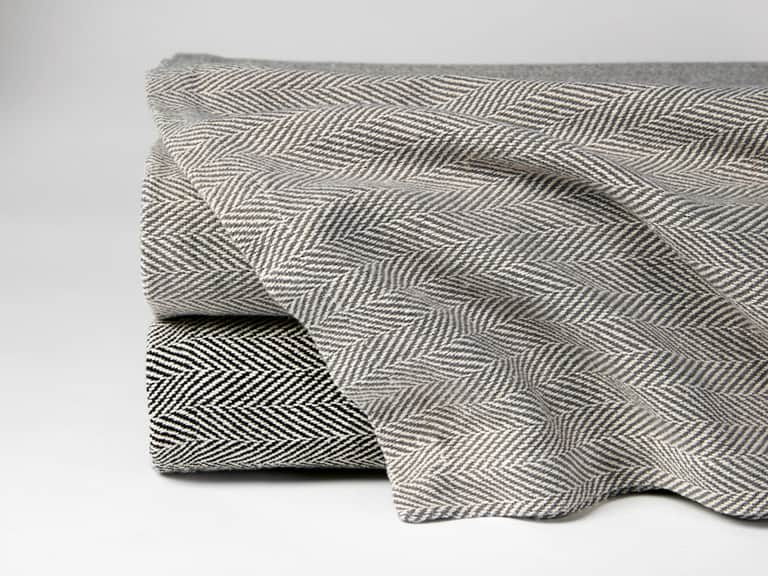
Back sleepers often benefit from a medium to medium-firm mattress, while side sleepers may require more contouring to relieve pressure points at the hips and shoulders. The memory foam, latex, and hybrid categories offer different blends of support, temperature regulation, and motion isolation. The Celine Bed End, with its brushed cotton texture and durable finish, provides a tactile cue of the room’s character while supporting edge seating and access. Its craftsmanship echoes a design philosophy that values material integrity and longevity.
Choose pillow loft that maintains cervical alignment for your sleeping position. Pair lighting that shifts from bright task lighting in the evening to dim ambient lighting as you wind down. The bed itself becomes less of a standalone feature and more of a central node in a cohesive sleep environment.
Material choices matter for climate comfort and allergy considerations. Cotton, linen, and natural fibers promote breathability, while moisture-wicking and hypoallergenic features support varied climates and sensitivities. A bed-end like the Celine Bed End, crafted in Portugal from 100% cotton, demonstrates how a small textile detail can elevate texture and tactile experience without compromising durability.
Invest in a system that can adapt to changes in posture, aging, or shifts in sleep patterns. An adjustable bed frame and a modular latex mattress configuration, for example, can accommodate evolving comfort needs. The Savvy Rest Serenity Latex Mattress represents a durable, customizable latex option that can be tailored to different lofts and firmness levels while maintaining an organic and breathable composition.
To deepen your understanding, consider these thematic angles as you explore bed types, ergonomics, and sleep environments:
A reflection on how early bedframe architecture influenced rest and posture, translated into modern low-profile platforms that preserve space and promote ease of movement.
How cleanables, breathable fabrics, and clean air translate into healthier sleep environments, informing today’s material choices.
An exploration of how proportion informs the perceived tranquility and scale of a sleeping room, guiding bed height and spatial balance.
Choosing the right bed is a practical art that blends geometry, physiology, and daily habit. The bed is not merely a piece of furniture; it is a habitat where posture, breath, light, and routine converge to shape the night and, by extension, the day. By thinking through bed styles, room layout, and ergonomic fit—while honoring the wisdom of historical figures and the insights of contemporary science—readers can create a bedroom that remains a sanctuary for years to come.
Notes: The content above reflects an informational, non-commercial approach to bed selection, with references to the included product example (Celine Bed End) to illustrate material and design concepts.