Sleep Quality 101: Understanding Sleep Hygiene for Better Rest
In a world that rushes forward on a caffeine-fueled schedule, sleep often becomes a negotiable luxury. Yet the science of sleep hygiene—habits, routines, and the sleeping environment—turns out to be a practical blueprint for waking refreshed, sharper, and healthier. This article unpacks foundational ideas, then translates them into actionable steps you can implement tonight. Along the way, we explore how thoughtful bedding—from breathable sheets to waterproof mattress protectors—supports longer, uninterrupted slumber. And to illustrate timeless principles, we meet three influential figures from different eras who shaped our understanding of rest.
What is Sleep Hygiene and Why It Matters
Sleep hygiene is the art and science of creating conditions that facilitate the natural cycle of sleep and wakefulness. It is less about a single trick and more about consistent patterns: stable bedtimes, deliberate wind-down rituals, mindful exposure to light and screens, and an environment that nudges you toward calm. Good sleep hygiene helps regulate hormones, strengthen memory consolidation, support immune function, and improve mood. It reduces the likelihood of fragmented sleep, which can ripple through daytime functioning, alertness, and overall quality of life.
Consistency anchors the practice. Our bodies crave a rhythm—a predictable sequence of cues that tell the brain, “It is time to sleep.” When these cues are in flux, the brain’s sleep architecture—stages of light sleep, deep sleep, and REM—can become disrupted. A well-tuned routine minimizes awakenings and extends the richer phases of sleep that work to restore energy and cognitive clarity.
Environment is the stage on which this nocturnal performance unfolds. Temperature, noise level, light, and bedding all contribute to a sense of safety and comfort. Small adjustments—lowering room temperature, dimming lights, and selecting breathable materials for sheets and mattress protectors—add up to meaningful gains in sleep duration and depth.
Practical Steps for a Healthier Sleep Routine
A robust sleep routine blends routine with intention. Here are concrete steps that align with current sleep science and everyday life:
- Establish a regular bedtime and wake time, even on weekends. Your body thrives on routine, and a consistent schedule trains your circadian rhythm to anticipate sleep and wakefulness.
- Set a wind-down window of 30 to 60 minutes before bed. Use this time for relaxing activities—gentle stretching, reading, deep breathing, or listening to calm music—while avoiding stimulating stimuli.
- Limit caffeine and heavy meals late in the day. Caffeine can linger for hours and blunt sleep pressure, while large meals close to bedtime can disrupt comfort and digestion.
- Limit screen exposure in the evening. Blue light can suppress melatonin production, delaying sleep onset. Consider dimming lights and choosing amber-tinted screens as part of a pre-sleep ritual.
- Prioritize physical activity, but avoid vigorous exercise too close to bedtime. Movement during the day improves sleep quality, while late workouts can energize the body when you want to wind down.
- Create a sleep-friendly bedroom environment. A cool, quiet, and dark room, with comfortable bedding, supports longer, uninterrupted sleep. This is where the bedding synergy comes into play.
Optimizing the Sleep Environment: The Bedding Connection
Beyond routine, the physical space you sleep in matters. Bedding—sheets, mattress protectors, and other accessories—can subtly but meaningfully affect comfort, temperature regulation, and allergen exposure. For example, breathable sheets and a well-fitted mattress protector can contribute to a calmer night, reducing micro-motions and moisture buildup that disrupt sleep.
Consider a layered approach to your bed setup. The bottom layer includes the mattress and a waterproof yet breathable protector, which guards against spills, allergens, and moisture. The next layer features breathable sheets with a comfortable thread count and natural fibers that wick moisture and promote airflow. Finally, an optional comfort layer, such as a cooling topper or a memory-foam core, can tailor the feel to your preferences. This combination supports thermoregulation and comfort—critical ingredients for deeper sleep cycles.
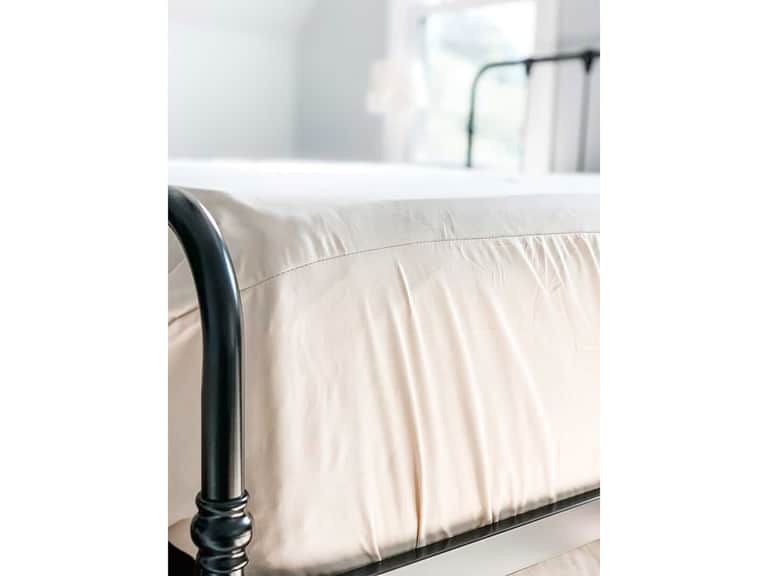
One exemplary product category is a waterproof mattress protector crafted from organic cotton with a breathable membrane. Such protectors shield the mattress while preserving the natural softness of cotton against the skin. For beds with adjustable bases, a protector that fits up to 18 inches and offers a tailored, non-bulky feel can be particularly helpful. When paired with high-quality sheets and proper laundering, these protections contribute to a sleep-ready foundation that lasts for years.
A practical example from the bedding category is the Sleep and Beyond Organic Cotton Waterproof Mattress Protector. It offers a GOTS-certified organic cotton surface, a recycled polyurethane waterproof membrane, and an attractive balance of softness and protection. With fit options for a range of mattress depths and sizes, it embodies the type of bedding technology that can support consistent, comfortable sleep over time.
Product highlight:
Sleep and Beyond Organic Cotton Waterproof Mattress Protector — 100% GOTS-certified organic cotton, breathable TPU lamination, fits up to 18" depth for queen/king, five-year warranty, eco-friendly packaging.
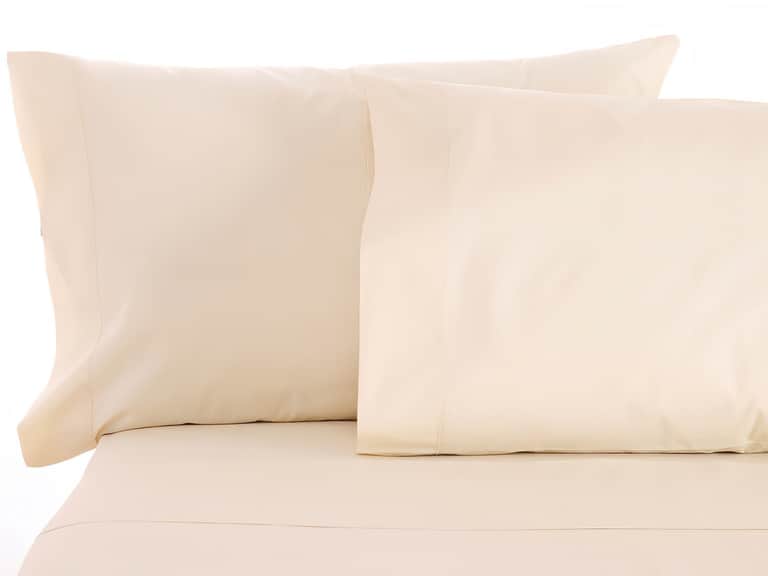
Another compelling component is premium organic cotton sheets, such as the Sleep and Beyond Organic Cotton Sateen Sheet Set. The 300-thread-count cotton sateen weave yields a soft, luxurious hand while remaining durable and skin-friendly. Organic certification assures you of chemical-free processing, a meaningful consideration for sensitive sleepers, children, or households prioritizing environmental responsibility.
In the broader scope of pet ownership, a pet bed that mirrors the same ethical and hygienic standards can be part of a sleep ecosystem. For example, the Naturepedic Organic Pet Bed offers GOTS-certified organic cotton, shredded latex fill for support, and a washable waterproof cover. This demonstrates how sleep quality concepts translate across household members, reinforcing welfare and cleanliness for both humans and animals.
Three Key Figures Who Shaped Sleep Understanding
Sleep science emerged from the intersection of psychology, physiology, and everyday life. Here are three influential individuals from distinct eras whose work still informs our nights today:
Hippocrates (c. 460–370 BCE)
Often called the father of medicine, Hippocrates emphasized balance in life and body. While not a sleep scientist by title, his holistic approach to health—recognizing sleep as a foundation for well-being—echoes in modern wisdom that rests current and future health must align with circadian rhythms and daily routines. Ancient medical thought framed sleep as a restorative practice, a concept that still threads through today’s sleep hygiene dialogue.
Nathaniel Kleitman (1895–1969)
A pioneer in sleep research, Kleitman co-discovered REM sleep and explored the physiology of sleep stages. His lab work laid the groundwork for understanding how sleep quality affects learning, memory, and daytime functioning. Hechampioned the idea that sleep is an active, dynamic process—not a passive state—and his curiosity continues to guide contemporary investigations into circadian biology and sleep health.
Thomas Wehr (b. 1939)
A psychologist who studied circadian rhythms and melatonin regulation, Wehr contributed to our understanding of how light exposure and daily structure influence sleep timing. His research highlighted how environmental cues can reset and stabilize sleep patterns, underscoring the practical value of light management and consistent routines in achieving better sleep.
A Practical Sleep Hygiene Plan for Readers
To translate theory into habit, here is a week-long plan that weaves routine, environment, and bedding choices into a cohesive strategy. Adapt the steps to your schedule and preferences for sustainable, long-term impact.
- Choose a fixed bedtime and wake time. Calculate backwards from your wake time to establish a 7–9 hour sleep window, then populate it with a consistent pre-sleep routine.
- Audit your bedroom climate. Aim for a room temperature between 60–67 degrees Fahrenheit (15–19 Celsius). Introduce blackout curtains or an eye mask to eliminate light intrusion and reduce sleep disturbances.
- Refine bedding for comfort and breathability. Use a breathable, organic cotton mattress protector to shield the mattress while preserving comfort. Pair it with breathable sheets, such as a 300-thread-count organic cotton sateen set, to create a tactile environment conducive to rest.
- Create a wind-down ritual. Dim the lights, mute screens, and engage in a soothing activity. Consider 20 minutes of light stretching or mindfulness breathing as a bridge to sleep.
- Limit stimulants and heavy meals later in the evening. If you must eat, opt for lighter fare and allow digestion to proceed before bed.
- Track your sleep quality. Use a simple journal or digital tool to note sleep onset, awakenings, and perceived restfulness. Patterns will emerge, guiding incremental adjustments.
Product Spotlight: Naturepedic Organic Pet Bed and Sleep Essentials
Even as you optimize your own sleep, the sleep health of household companions matters. The Naturepedic Organic Pet Bed with Washable Waterproof Cover embodies a humane, quality-forward approach to animal comfort. Built from GOTS-certified organic cotton and shredded latex for support, it carries a washable, waterproof cover that stands up to muddy paws and everyday life. Availability in multiple sizes makes it a versatile choice for pets of different breeds.
This pet bed demonstrates how the same attention to material safety, breathability, and care you apply to your sheets and protectors can extend to every member of the household, including furry friends. It’s a reminder that good sleep habits are inclusive, practical, and enduring.
Product image gallery placeholder (images displayed below)
Naturepedic
Organic Materials
Waterproof Cover
Conclusion: Sleep as Everyday Wellness
Sleep hygiene is not a single hack but a lifelong discipline—an ongoing conversation between routine, environment, and the materials that cradle us through the night. From Hippocrates to Kleitman to Wehr, the arc of sleep science is a testament to humanity’s enduring quest to sleep better. By adopting consistent bedtimes, curating a soothing bedroom climate, and selecting bedding that supports breathability and protection, readers can translate ancient wisdom into modern, practical routines. And when you consider thoughtful additions—like a reliable waterproof mattress protector or a premium organic pet bed—you participate in a broader ecosystem of rest that honors both comfort and health.
In the end, the person who sleeps well is not merely resting; they are preparing to live better in the hours that follow. The good night’s sleep you seek is less a rare event and more a habit—one you curate with intention, patience, and the kind of quality bedding that makes the difference between fatigue and focus, between irritability and clarity, between a moment of quiet and a day of momentum.