Latex as a material for bedding and sleep accessories offers a natural alternative to traditional foams, known for its resilience, buoyant support, and breathable structure. It can help distribute body weight evenly, reducing pressure points while maintaining a comfortable alignment for the spine. This makes latex a popular choice for pillows and certain mattress components within organic and natural sleep systems.
In bedding contexts, latex is valued for its durability and consistent performance over time. Its open-cell or pin-core structures promote airflow, helping to regulate temperature and reduce heat buildup during sleep. For pillows and toppers, latex can maintain loft and support without significant sag, contributing to ongoing comfort and longevity.
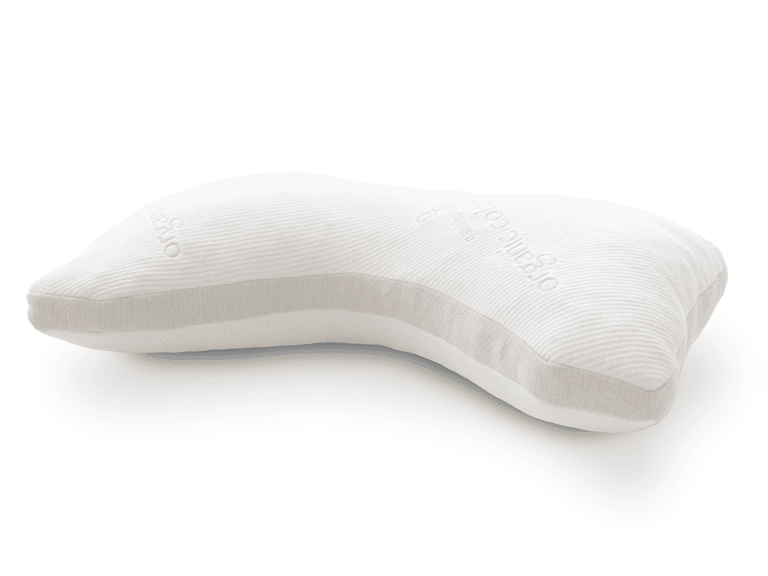
When considering products like the Naturepedic Organic Side Sleeper Pillow, latex-based options emphasize proper neck and head support with materials certified for organic and non-toxic claims. Such pillows are designed to cradle the head while maintaining alignment of the cervical spine, which can be beneficial for side sleepers seeking stable, breathable support.
Beyond pillows, latex is used in combination with organic fabrics and other sustainable fillings to create mattresses and mattress components that align with organic crib mattresses and other baby bedding standards. The material’s responsiveness supports varied sleep positions, while its resilience helps maintain structural integrity and comfort across different sleep stages.
For consumers evaluating bedding materials, understanding latex’s properties—responsiveness, breathability, durability, and low chemical exposure—can inform choices related to pillows, sheets, and organic mattresses. When integrated with holistic sleep systems, latex supports comfort goals and can complement a range of bedding essentials, including organic crib mattresses and related items.
 Bedding